

 en
en  English
 中文简体
中文简体 Español
 عربى
عربىDifferent Types of Display Fridges: A Commercial Buyer’s Guide
 2026.08.14
 Industry News
Display fridges do more than keep products cold. In supermarkets, convenience stores, bakeries, restaurants, cafés, and specialty retail stores, they also influence product visibility, customer access, merchandising capacity, and operating costs.
For commercial buyers, the challenge is that “display fridge” covers many different equipment designs. A glass-door beverage merchandiser, an open-air grab-and-go case, a refrigerated bakery showcase, and a glass-lid chest freezer may all display products, but they are designed around very different temperatures, loading patterns, and customer interactions.
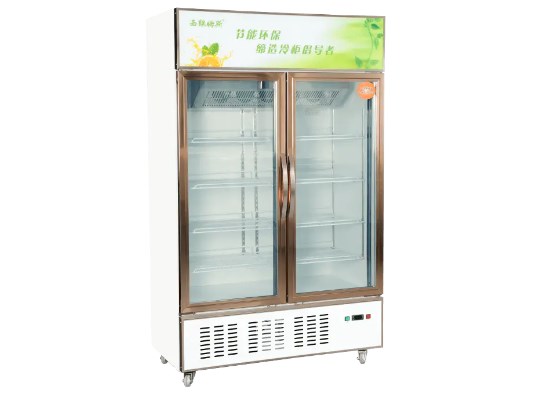
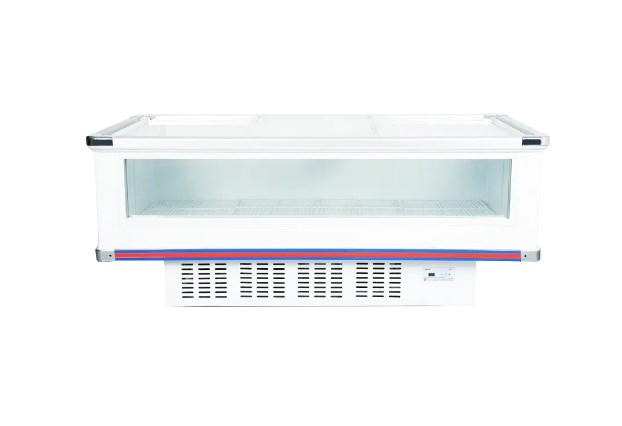
As a manufacturer of commercial refrigeration and foodservice equipment, Zhejiang Xingbao Electrical Appliance Co., Ltd. produces refrigeration solutions including display cabinets, freezers, island cabinets, seafood cabinets, and commercial kitchen refrigerators. This guide explains the major types of commercial display fridges and how buyers can select the right configuration.
Core Commercial Display Fridge Types and Where They Work Best
For most grocery, convenience, café, and foodservice applications, buyers can start with five main display refrigerator formats.
Upright glass-door display refrigerators are among the most versatile. Their vertical shelves make efficient use of floor space, while transparent doors keep beverages, dairy products, packaged foods, and chilled snacks visible. One-, two-, and three-door configurations are common. They work particularly well for bottled drinks, cans, yogurt cups, packaged sandwiches, and other products that can be organized vertically.
Open-front or air-curtain merchandisers remove the physical barrier between the shopper and the product. A refrigerated air curtain helps retain cold air while customers directly reach for salads, sandwiches, beverages, desserts, and prepared meals. Their biggest advantage is fast access and strong impulse-merchandising potential, although the open design generally makes energy efficiency and store ambient conditions more important than with closed-door equipment. Commercial suppliers currently market these specifically for grab-and-go applications.
Countertop display refrigerators are suited to limited assortments and high-value counter space. Typical applications include desserts, bottled drinks, packaged snacks, cakes, or small prepared foods near a checkout counter. Current commercial models can be as small as roughly 2.5–3.5 cubic feet, making them practical when floor space is unavailable.
Grab-and-go cases are normally selected according to customer traffic rather than storage volume alone. High-turnover cafés, airport concessions, convenience stores, and campus foodservice operations often favor wider open displays because customers can select food without waiting for staff.
Finally, beverage merchandisers emphasize shelf visibility, adjustable shelf spacing, glass-door presentation, and frequent door openings. For distributors, beverage brands, and convenience retailers, shelf configuration can be just as important as nominal cubic-foot capacity.
Specialty Display Fridges: Bakery, Deli, Chest Freezer, Wine, Floral, and Medical Units
Specialty applications require more than simply changing the shelves inside a standard refrigerator.
A refrigerated bakery display case typically uses large glass surfaces and horizontal shelves so cakes, pastries, cream desserts, and other finished products remain visible from the customer side. Refrigerated cases are appropriate for temperature-sensitive products, while bread and other shelf-stable bakery goods may instead use dry displays. Commercial bakery cases commonly combine curved or square glass with LED illumination to improve product presentation.
A deli display case is designed for prepared meats, cheeses, salads, and similar products served by staff. Compared with bakery cases, deli equipment needs temperature performance suited to potentially hazardous refrigerated foods and a work-side arrangement that allows frequent product access.
Glass-lid chest display freezers are different again. Products are loaded from above and remain visible through sliding or curved glass lids. They are particularly effective for packaged ice cream, frozen desserts, frozen food, and promotional products because the customer can see the merchandise without opening the cabinet first. Commercial examples currently range from compact barrel merchandisers to 15-cu.-ft.-plus flat-lid display freezers.
Wine display refrigerators generally prioritize controlled temperature, reduced vibration, bottle positioning, and presentation rather than rapid product turnover.
Floral refrigerators require refrigeration conditions appropriate for cut flowers and should not automatically be treated as interchangeable with food merchandisers. Humidity, airflow, temperature requirements, and plant sensitivity can differ significantly by flower variety.
Medical refrigeration is an even more specialized category. For example, CDC guidance specifies 2–8°C (36–46°F) for vaccines licensed for refrigerator storage. Purpose-built medical equipment may also require continuous temperature monitoring, alarms, and tighter temperature uniformity. A normal retail beverage cooler therefore should not be substituted simply because its nominal thermostat range appears similar.
How to Choose the Right Display Fridge: Size, Capacity, Temperature Zones, and Efficiency
A useful selection process starts with products and workflow rather than cabinet dimensions.
First, identify the product temperature requirement. Chilled beverages, dairy products, deli food, wine, frozen ice cream, flowers, and medical materials should not automatically share the same refrigeration system.
Next, calculate the display quantity between restocking cycles. If a convenience store sells 300 bottled drinks between major replenishments, selecting enough merchandising capacity for only 150 bottles simply forces staff to restock continuously. Conversely, an oversized refrigerator operating half-empty wastes valuable floor space.
Then check the package dimensions. Shelf depth and usable shelf width matter more than headline capacity when displaying unusually tall bottles, large food containers, cakes, trays, or wide packages.
Commercial equipment also differs from residential refrigerators. Commercial cabinets are generally designed around more frequent door openings, heavier loading, long operating hours, commercial merchandising layouts, and serviceability. Buyers should therefore avoid selecting a household glass-door cooler solely because its purchase price is lower.
Energy consumption should be evaluated over the expected operating life. ENERGY STAR states that certified commercial glass-door refrigerators can save approximately 370 kWh annually compared with standard models meeting its comparison criteria. For a supermarket operating dozens of display cabinets, seemingly small differences per unit can become meaningful.
For multi-category stores, separate temperature zones may also be preferable to trying to make one cabinet serve beverages, dairy, frozen food, and specialty products simultaneously.
Installation, Ventilation, Maintenance, and Food Safety Requirements
A well-specified display refrigerator can still perform poorly if it is installed incorrectly.
Start with ventilation. Self-contained refrigerators reject heat through their condenser, so intake and exhaust areas must remain unobstructed. There is no universal clearance number applicable to every display fridge. Commercial manuals vary: examples currently available specify anything from around 3 inches to 6 inches of clearance depending on cabinet design. Buyers should therefore use the exact installation manual for the selected model rather than applying one generic dimension to an entire project.
Keep the unit away from ovens, cooking lines, direct sunlight, and other heat sources wherever possible. The floor should be level, the electrical supply should match the equipment rating, and delivery access should be checked against both operating and crated dimensions.
For food applications, temperature monitoring is critical. The FDA recommends keeping refrigerators at 40°F (4.4°C) or below, while the FDA Food Code uses 41°F (5°C) or below as the cold-holding limit for applicable Time/Temperature Control for Safety foods. Freezers should generally maintain approximately 0°F (-18°C) for frozen-food storage. Local health-code requirements should always be verified.
A practical maintenance routine includes:
- Check and record cabinet temperature daily where food-safety procedures require it.
- Inspect door seals for gaps, cracking, or contamination.
- Clean condenser surfaces according to the manufacturer’s schedule.
- Clean interior shelves and food-contact areas regularly.
- Avoid blocking evaporator outlets with products.
- Check drainage lines and condensate systems.
- Verify that fans operate normally.
- Inspect LED lighting, controllers, and alarms.
- Remove dust from ventilation openings.
- Investigate unusual compressor cycling, frost, noise, or temperature fluctuations immediately.
Some commercial equipment manuals recommend washing door gaskets as frequently as weekly, illustrating why routine cleaning should be part of operating procedures rather than something performed only after a failure occurs.
Price Ranges, Warranties, LED Lighting, and Brand Reliability Comparisons
Commercial display refrigerator pricing varies dramatically with cabinet size, temperature class, refrigeration system, glass configuration, compressor capacity, controls, certifications, and brand.
The following ranges are useful as U.S. market reference points rather than fixed manufacturer quotations:
| Display Fridge Type | Indicative U.S. Budget |
|---|---|
| Small countertop merchandiser | $200–$700 |
| Upright glass-door merchandiser | $800–$3,000+ |
| Open-air / air-curtain merchandiser | $2,500–$6,000+ |
| Refrigerated bakery case | $1,400–$4,000+ |
| Glass-lid chest display freezer | $500–$1,600+ |
| Commercial deli display case | $2,000–$10,000+ |
| Commercial wine display refrigerator | $1,500–$5,000+ |
| Specialized premium/custom cases | Project-specific |
These bands reflect current U.S. online commercial-equipment listings. For example, glass-door merchandisers currently include units from around $800 to more than $2,400, refrigerated bakery displays commonly appear around $1,400–$2,900, and glass-top display freezers range from several hundred dollars to over $1,500 depending on configuration. Premium deli equipment can exceed $8,000–$10,000.
Purchase price, however, is only one part of total cost of ownership.
LED lighting is valuable because it provides bright product illumination with relatively low heat generation and energy use. Positioning matters as well: vertical lighting near glass doors can illuminate beverage labels, while shelf lighting may be preferable for bakery and deli products.
Buyers should also examine the compressor warranty, parts warranty, labor coverage, service network, replacement-part availability, controller quality, glass construction, door hardware, and gasket availability.
For importers and distributors, reliability also includes whether a manufacturer can maintain consistent dimensions, electrical configurations, branding, packaging, spare parts, and production quality across repeat orders—not simply whether one sample unit performs well.
Turning Display Fridge Requirements Into a Product Specification
Before requesting quotations, prepare a short specification rather than asking suppliers simply for a “display refrigerator.”
Define:
| Requirement | Question to Answer |
|---|---|
| Product | What will be displayed? |
| Temperature | Chilled, frozen, wine, floral, or specialized? |
| Access | Glass door, sliding door, open front, or glass lid? |
| Capacity | How much product must be displayed between restocking cycles? |
| Dimensions | What floor space and delivery access are available? |
| Merchandising | Shelf quantity, lighting, branding, and glass configuration? |
| Electrical | What voltage/frequency is required in the destination market? |
| Efficiency | What energy-consumption target or certification is required? |
| Service | What warranty and replacement-part support is expected? |
Zhejiang Xingbao Electrical Appliance Co., Ltd. supplies commercial refrigeration equipment including refrigerated display cases, freezers, island cabinets, and commercial kitchen refrigeration products for different merchandising and foodservice applications. Buyers, distributors, and project contractors can compare available configurations and discuss customized commercial refrigeration requirements according to product type, capacity, dimensions, and target market.
Frequently Asked Questions
What are the most common types of display fridges used in US restaurants and grocery stores?
Common configurations include upright glass-door merchandisers, open-air merchandisers, grab-and-go refrigerators, countertop displays, beverage refrigerators, deli cases, bakery cases, and glass-top display freezers. The best configuration depends primarily on the product, required temperature, customer-access pattern, and available floor space.
What is the difference between a commercial display fridge and a residential glass-door cooler?
Commercial equipment is normally designed for longer operating hours, frequent access, heavier product loading, commercial merchandising, and easier servicing. Residential equipment may be suitable for light-duty private use but should not automatically be substituted for equipment specified for a restaurant, supermarket, convenience store, or institutional foodservice operation.
How do I choose the right size and capacity for a display fridge?
Estimate the maximum quantity that must remain on display between restocking cycles, then check actual package dimensions and usable shelf area. Allow additional room for proper airflow rather than packing products tightly against air outlets.
Which display fridge type works best for a bakery or deli case?
A refrigerated bakery showcase is usually better for cakes, pastries, desserts, and visually oriented shelf displays. A deli case is better for meats, cheeses, salads, and products accessed repeatedly by staff. The food’s required holding temperature should always determine whether refrigeration is necessary.
What temperature should a commercial display fridge be set to for safe food storage?
For applicable refrigerated foods, U.S. food-safety guidance generally calls for refrigeration at approximately 40°F or below, while the FDA Food Code cold-holding threshold for TCS foods is 41°F (5°C) or below. Exact operating setpoints should account for the food, cabinet performance, local regulations, and the temperature difference between circulating air and the actual product.
Do display fridges require special ventilation or clearance for installation?
Yes. Self-contained refrigeration systems need airflow for condenser heat rejection. Clearance requirements differ by model, so always follow the manufacturer’s installation specification. Commercial manuals show that required spacing can differ substantially between equipment designs.
How much do different types of commercial display fridges cost on average?
Small countertop units may start at only a few hundred dollars, while standard upright glass-door merchandisers commonly cost roughly $800–$3,000. Bakery, open-air, deli, and specialty cases can range from approximately $1,500 to well above $10,000 depending on size, refrigeration system, brand, features, and construction. Current U.S. commercial-equipment listings show particularly wide price variation in deli and specialty display cases.
Related News

Looking for Reliable Partner?
We are committed to becoming your most trusted partner.
Contact info.
 +86-153 0659 4509
 +86-(0)573-8796 5558
 zjxingbao@gmail.com
 No. 10 Baisha Road, Lianhang Development Zone, Chang'an Town, Haining City, Zhejiang China 314423
Mobile QR Code
Copyright © Zhejiang Xingbao Electrical Appliance Co., Ltd. All Rights Reserved. Custom Commercial Refrigerator Factory
