

 en
en  English
 中文简体
中文简体 Español
 عربى
عربىHow to choose a commercial display freezer that saves energy and is durable?
 2026.04.15
 Industry News
For retail stores, supermarkets, convenience stores, catering outlets, and fresh food shops, a properly selected and used commercial display freezer can effectively extend the shelf life of perishable goods, improve product display effects, reduce energy consumption and operating losses, and directly boost overall sales and customer shopping experience. Choosing the right type based on business scenarios and maintaining it properly is the most cost-effective way to maximize its service life and economic value.
In practical operation, commercial display freezers are not only refrigeration equipment but also important sales tools. Their transparent glass structure, rational interior layout, and stable temperature control directly influence customers’ purchasing decisions. Enterprises that prioritize display effect, temperature stability, and energy efficiency can achieve better operational results with lower long-term costs.
Classification and Application Scenarios of Commercial Display Freezers
Commercial display freezers are designed with diverse structures and functions to adapt to different business environments. Each category corresponds to specific usage scenarios, and matching the right model can significantly improve operational efficiency.
Vertical Glass Door Display Freezers
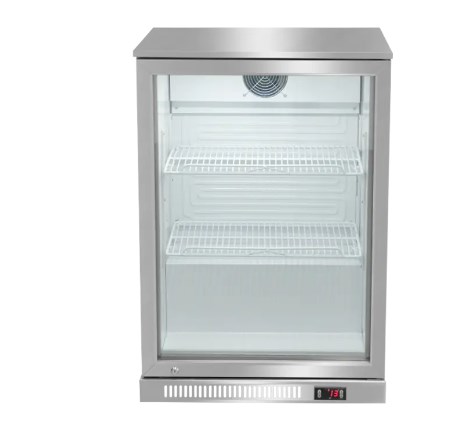
This type features upright cabinets with one or more transparent glass doors, making it ideal for supermarkets, convenience stores and specialty frozen food shops. It saves floor space while providing a large display area, allowing customers to clearly see packaged frozen foods, ice cream, frozen meat, aquatic products and prepared meals.
Most vertical models use air-cooled circulation systems to ensure even temperature distribution. High-quality vertical display freezers can maintain temperature consistency within a small range, preventing partial over-freezing or insufficient cooling. They are also equipped with anti-fog glass to keep the cabinet interior visible at all times.
Horizontal Open Display Freezers
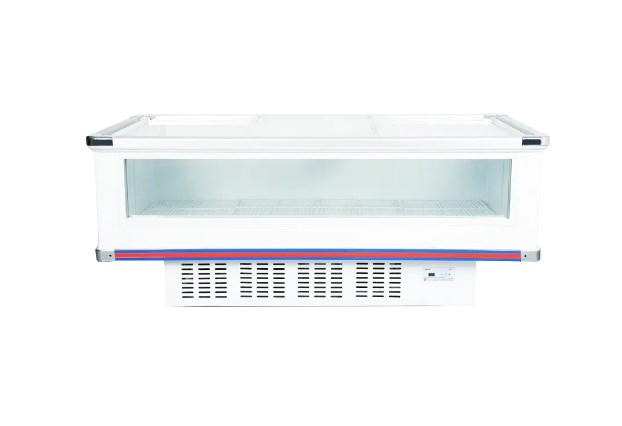
Horizontal open display freezers, also known as island freezers, are widely used in supermarkets and hypermarkets. They feature an open-top design for self-service shopping, suitable for displaying bulk frozen food, ice cream, frozen dumplings, frozen seafood, and quick-frozen prepared dishes.
Their wide and flat surface maximizes product exposure. The air curtain system isolates external warm air to maintain a stable internal temperature. Although they consume slightly more energy than closed-door models, they significantly improve customer accessibility and impulse purchases.
Countertop Display Freezers
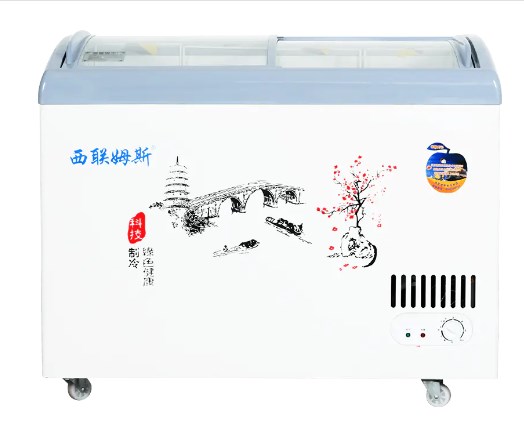
Compact and lightweight, countertop display freezers are designed for small stores, coffee shops, bakeries, convenience store counters, and entertainment venues. They are used to display high-margin small items such as ice cream, frozen drinks, chilled desserts, and small packaged snacks.
Despite their small size, they maintain professional refrigeration performance. Many models come with transparent curved lids for better display effects and easy access. They are perfect for boosting point-of-sale sales and utilizing limited counter space effectively.
Specialized Display Freezers for Specific Products
Some commercial display freezers are customized for particular products, such as ice cream display freezers with low-temperature control, meat display freezers with adjustable wind speed, and seafood display freezers with anti-dryness functions. These specialized models better protect product quality and extend freshness.
- Ice cream dedicated freezers require lower temperature levels to maintain shape and texture
- Meat display freezers often use direct cooling to reduce moisture loss and keep meat tender
- Combined display freezers integrate refrigerated and frozen zones for mixed product display
Key Technical Indicators for Purchasing Commercial Display Freezers
Selecting a commercial display freezer depends not only on appearance and size but also on core technical indicators that determine performance, durability and operating costs. Understanding these indicators helps buyers avoid inappropriate choices.
Temperature Control Accuracy and Stability
Temperature stability is the most critical indicator for commercial display freezers. Fluctuations beyond a reasonable range can lead to product deterioration, ice crystal formation, flavor loss and shortened shelf life. Premium models maintain temperature variation within a narrow range even when doors are opened frequently.
Air-cooled systems generally offer more uniform temperature distribution than direct-cooled ones, though direct cooling reduces frost buildup and moisture loss. The choice depends on the products being displayed. For packaged frozen goods, air cooling is preferred; for fresh meat and seafood, direct cooling may be more suitable.
Energy Efficiency Performance
<Commercial display freezers run continuously for long hours, making energy efficiency a major factor affecting monthly operating expenses. Models with high energy efficiency levels reduce power consumption noticeably while maintaining the same cooling capacity.
Energy-saving features include efficient compressors, thickened insulation layers, air curtain technology, automatic door closing systems and LED lighting. Businesses that operate 24 hours a day can save substantial costs over the equipment’s lifespan by choosing energy-efficient models.
Refrigeration Speed and Recovery Ability
In busy retail environments, display freezers are opened frequently, allowing warm air to enter. A high-performance unit can quickly restore the set temperature after door closure, preventing product quality degradation. Fast refrigeration speed is also essential when restocking large quantities of room-temperature goods.
Equipment with powerful compressors and optimized air duct design delivers better temperature recovery. This ability directly reduces food spoilage risks and maintains consistent product quality throughout the day.
Material Quality and Structural Durability
Commercial environments demand rugged construction. Cabinets made of thickened metal panels and tempered glass resist collisions and are easy to clean. The interior shelves should be adjustable, corrosion-resistant and capable of bearing heavy product loads without deformation.
Good sealing performance prevents cold air leakage, reduces energy waste and lowers frost buildup. Durable hinges and sliding rails ensure long-term reliability even with heavy daily usage.
Comparison Between Air-Cooled and Direct-Cooled Display Freezers
The choice between air-cooled and direct-cooled systems is one of the most important decisions when purchasing a commercial display freezer. Each technology has distinct advantages suitable for different scenarios.
| Item | Air-Cooled Type | Direct-Cooled Type |
|---|---|---|
| Temperature Uniformity | High | Relatively low |
| Frost Buildup | Less | More frequent |
| Product Moisture Loss | Higher | Lower |
| Suitable Products | Packaged frozen food | Fresh meat, seafood |
Air-cooled display freezers use fans to circulate cold air, ensuring even temperature across the cabinet. They require less defrosting maintenance but may cause slight moisture loss in unpackaged foods. They are ideal for packaged frozen products in supermarkets and convenience stores.
Direct-cooled models rely on natural convection through cooling tubes. They maintain higher humidity, reducing food dehydration and keeping products fresh longer. However, they tend to build up frost more quickly and require regular manual or automatic defrosting.
Installation Environment Requirements for Commercial Display Freezers
<Proper installation directly affects the performance, energy consumption and service life of commercial display freezers. Unsuitable environments lead to poor cooling efficiency, increased power use and frequent breakdowns.
Ventilation and Heat Dissipation Space
Commercial display freezers release heat during operation, especially through the condenser system. Sufficient clearance must be reserved around the unit for air circulation. Insufficient ventilation causes overheating, reduced efficiency and potential compressor damage.
The rear and sides of the cabinet should be kept away from walls and other equipment. The condenser coils must be free from dust and obstructions. Proper heat dissipation significantly improves energy efficiency and extends the compressor’s service life.
Ambient Temperature and Lighting Conditions
Equipment placed in high-temperature environments, such as near direct sunlight, heating vents or cooking areas, must work continuously to maintain temperature, leading to higher energy consumption and accelerated wear. The ideal installation area has stable, moderate ambient temperature.
Strong external lighting can also increase heat radiation on glass doors, causing fogging and reducing energy efficiency. Anti-fog glass and proper interior LED lighting help maintain visibility while minimizing heat generation.
Ground Conditions and Power Supply
The installation ground must be flat, solid and level to prevent noise, vibration and door seal issues. Uneven flooring can cause cold air leakage and affect the refrigeration system’s balance.
A stable and independent power supply is essential. Voltage fluctuations can damage electrical components and compressors. Grounding protection is required to ensure safe operation and prevent electrical hazards.
Daily Operation and Management Practices
Effective daily operation not only ensures food safety but also reduces energy costs and extends equipment life. Simple management practices can significantly improve overall performance.
Reasonable Product Placement
Overloading the display freezer blocks air circulation and leads to uneven cooling. Products should be arranged with proper gaps to allow cold air to flow freely. Fast-moving items should be placed at eye level for better visibility and easier access.
Different types of products should be organized by temperature requirements and shelf life. Packaging should remain intact to prevent cross-contamination and moisture loss. Regular rearrangement ensures all goods are evenly cooled and attractively displayed.
Door Usage and Customer Flow Management
Frequent door opening greatly increases temperature fluctuations and energy use. Training staff to minimize door open time and encouraging customers to make quick selections helps maintain stable conditions. Automatic door closers and motion-sensitive LED lights further improve efficiency.
During peak hours, additional staff can assist customers to reduce waiting time and door exposure. Proper queue management also helps maintain a smooth shopping experience while protecting product quality.
Temperature Monitoring and Recording
Regular temperature checks ensure food safety compliance and early detection of equipment issues. Digital temperature controllers provide real-time data, and some models offer alarm functions for abnormal fluctuations.
Maintaining temperature logs helps identify patterns in performance changes, allowing timely maintenance before major failures occur. Consistent temperature control is critical for meeting food safety standards and preserving product quality.
Routine Maintenance and Cleaning Procedures
Regular maintenance is essential to keep commercial display freezers running efficiently and hygienically. Neglected maintenance leads to higher energy costs, unpleasant odors, food contamination risks and shortened equipment life.
Interior and Exterior Cleaning
The interior should be cleaned regularly using food-safe disinfectants to remove spills, stains and bacteria. Shelves, drawers and door gaskets should be disassembled and cleaned thoroughly. Glass surfaces must be kept clean and transparent for maximum display effect.
Exterior panels and door handles require frequent wiping to maintain a professional appearance. Avoid using abrasive cleaners that may scratch surfaces or damage the finish.
Condenser and Coil Maintenance
Dust and debris accumulation on condenser coils severely reduces heat dissipation efficiency. Regular vacuuming or brushing keeps coils clean and ensures optimal refrigeration performance. Clean condensers can reduce energy consumption by a noticeable margin.
Maintenance frequency depends on the operating environment. Dusty or high-traffic locations require more frequent cleaning to prevent performance degradation.
Door Gasket Inspection and Replacement
Worn or damaged door gaskets cause cold air leakage, leading to frost buildup and higher energy use. Regular inspection ensures gaskets are intact and seal properly. Damaged gaskets should be replaced immediately to restore efficiency.
Simple tests, such as closing the door on a piece of paper, can help identify weak sealing areas. Properly maintained gaskets significantly improve overall energy efficiency.
Defrosting Operations
Excessive frost insulates cooling surfaces and reduces efficiency. Most modern models feature automatic defrost systems, but manual defrost may still be required periodically. Defrosting should be performed when frost reaches a certain thickness to maintain optimal performance.
During defrosting, products should be temporarily stored properly to avoid thawing. Quick and controlled defrosting minimizes disruption to daily operations.
Troubleshooting Common Operational Problems
Prompt identification and resolution of common issues prevent small problems from developing into costly breakdowns. Many minor malfunctions can be resolved without professional assistance.
- Insufficient cooling: Check door seals, clean condenser coils and verify proper ventilation
- Excessive frost: Inspect gaskets, reduce door opening frequency and check defrost system
- Unusual noise: Ensure level placement, check fan blades and remove loose debris
- Glass fogging: Verify anti-fog function, improve room ventilation and check door seals
- High energy consumption: Optimize product placement, clean components and reduce door openings
If basic troubleshooting does not resolve the issue, professional service should be contacted immediately to prevent further damage. Delayed repairs often result in more expensive fixes and prolonged operational downtime.
Regular professional maintenance inspections can detect potential issues early, reducing emergency repair needs and ensuring continuous, reliable operation.
Long-Term Economic Benefits and Business Value
Investing in high-quality commercial display freezers delivers significant long-term economic benefits beyond basic refrigeration. These units directly influence sales performance, operational costs and customer satisfaction.
Well-designed display freezers enhance product visibility and appeal, stimulating impulse purchases and increasing average transaction value. Stable temperature control reduces spoilage rates, minimizing product waste and improving profit margins.
Energy-efficient models substantially lower monthly utility bills. With extended service life from proper maintenance, the total cost of ownership becomes highly favorable compared to cheaper, low-quality alternatives.
In competitive retail environments, reliable and attractive display equipment helps businesses build professional brand image, attract repeat customers and maintain consistent product quality. Over time, the combined savings and revenue increases create a substantial return on investment.
As consumer demand for fresh and frozen products continues to grow, commercial display freezers remain indispensable assets for retailers. Choosing the right equipment and managing it properly ensures businesses stay efficient, profitable and competitive in evolving markets.
Related News

Looking for Reliable Partner?
We are committed to becoming your most trusted partner.
Contact info.
 +86-153 0659 4509
 +86-(0)573-8796 5558
 zjxingbao@gmail.com
 No. 10 Baisha Road, Lianhang Development Zone, Chang'an Town, Haining City, Zhejiang China 314423
Mobile QR Code
Copyright © Zhejiang Xingbao Electrical Appliance Co., Ltd. All Rights Reserved. Custom Commercial Refrigerator Factory
