

 en
en  English
 中文简体
中文简体 Español
 عربى
عربى

Optimizing Refrigerated Displayer Performance
A Comprehensive Guide to Selection, Efficiency, and Maintenance
The efficiency of a refrigerated displayer is determined by the precise match between the unit's temperature capabilities and the specific thermal load of the stored product. Selecting the correct configuration—whether self-contained or remote—and maintaining unobstructed airflow are the two most critical factors in ensuring food safety and minimizing operational costs. A failure in either selection or maintenance typically results in temperature abuse, leading to spoilage and significant energy waste.
Classification by Temperature and Application
Refrigerated displayers are not generic units; they are engineered to maintain specific temperature bands for distinct product categories. Using a unit designed for beverages to store fresh meat, for example, will inevitably lead to product dehydration and bacterial growth.
High-Temperature Units
- Ideal for fresh meats, poultry, and seafood
- Maintains surface temperatures slightly above freezing
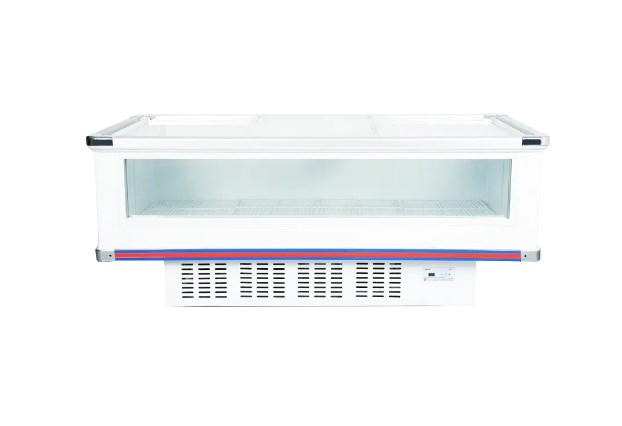
- Often features open designs to encourage handling
These units prioritize air movement to keep the product surface dry, preventing slime formation while preserving texture.
Medium-Temperature Units
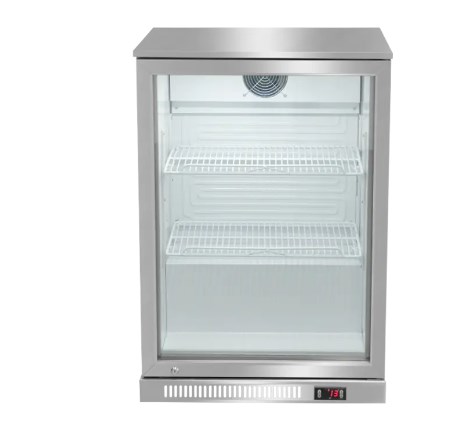
- Suitable for dairy, deli items, and beverages
- Displays products in a ready-to-serve state
- Focuses on visual appeal and accessibility
The primary goal here is maintaining palatability rather than extending shelf life for raw products, making them perfect for grab-and-go scenarios.
Low-Temperature Units
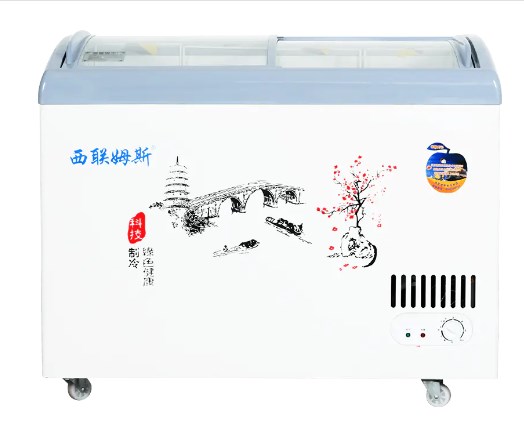
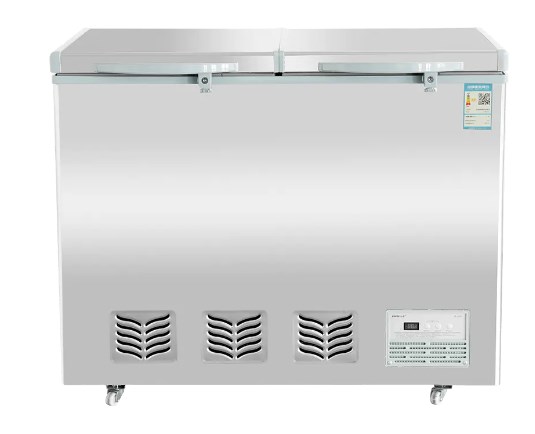
- Designed for frozen foods and ice cream
- Requires robust insulation and defrost cycles
- Typically utilizes glass doors to minimize thermal loss
These displayers must combat the tendency for warm, moist air to enter the cavity, which causes rapid frost buildup on the evaporator coils.
Specialty Units
- Floral displayers with humidity control
- Bakery cases with dry air circulation
- Combination units with dual zones
Specialty units often integrate humidity management systems to preserve the specific quality of the product, such as keeping flowers fresh without wilting.
Comparing System Configurations
The physical location of the compressor and condenser significantly impacts the installation cost, noise levels, and the ambient temperature of the store environment. The choice between a self-contained and a remote system is often dictated by the store layout and infrastructure capabilities.
| Feature | Self-Contained System | Remote System |
|---|---|---|
| Installation | Simple; requires only power and drainage | Complex; requires refrigerant lines and remote condenser |
| Heat Rejection | Into the store environment | Outside the building |
| Maintenance | Easier access to components | Requires technician for both indoor and outdoor units |
| Cost | Lower upfront cost | Higher upfront cost, lower operational cost |
| Noise Level | Higher (compressor is nearby) | Lower (compressor is remote) |
Table 1: Comparison of Self-Contained and Remote Refrigeration Systems
Key Factors Influencing Energy Efficiency
Refrigeration accounts for a significant portion of a commercial facility's energy consumption. Modern displayers incorporate several design elements to mitigate thermal loss and reduce the load on the compressor.
Anti-Sweat Heaters
Glass doors and frames often require heaters to prevent condensation. While necessary, these heaters consume significant electricity. Advanced models use humidity-sensing controls that activate heaters only when needed, rather than running them continuously.
LED Lighting Systems
Older fluorescent lights generate substantial heat, which the refrigeration system must then remove. LED lighting produces significantly less radiant heat, reducing the internal thermal load while providing brighter, more attractive product illumination.
Night Covers and Air Curtains
Open display cases allow cold air to spill out. Using aluminum night covers during non-operational hours can reduce refrigeration load by a measurable percentage. This simple intervention is often overlooked but highly effective.
The Physics of Airflow and Circulation
A refrigerated displayer functions by creating a recirculating loop of cold air. Disruption to this loop is the most common cause of failure. Understanding the air curtain is essential for stocking and maintenance.
- The discharge air grille at the top expels cooled air, forming a "curtain" that separates the food from the store air.
- The return air grille at the bottom captures this cold air and pulls it back through the evaporator coil.
- Proper stocking is critical: products must not be stacked above the "load limit" line, as this blocks the discharge air.
- Blocked return air grilles cause the compressor to run continuously without effectively cooling the product.
Consequences of Airflow Disruption
When the air curtain is broken by over-stocking or poor maintenance, warm store air mixes with the cold display air. This results in a rapid rise in product temperature and increased humidity, which freezes on the evaporator coil. The unit then enters a defrost cycle more frequently, during which no cooling occurs, further compromising product safety.
Operational Faults and Preventative Measures
Recognizing the signs of mechanical stress early can prevent costly inventory losses. Operators should monitor for specific indicators that the displayer is not functioning within optimal parameters.
Temperature Fluctuation
If the display case cannot hold temperature, check for dirty condenser coils or blocked airflow. A dirty condenser restricts heat transfer, forcing the compressor to work harder and longer, leading to premature failure.
Ice Buildup
Frost on the evaporator or walls indicates a failed defrost cycle or air leakage through door gaskets. Excessive ice acts as an insulator, preventing the coil from absorbing heat from the cabinet.
High Energy Bills
A sudden spike in energy consumption often points to a refrigerant leak or a compressor that has lost efficiency. Monitoring kilowatt-hour usage is as important as monitoring temperature.
Condensation Issues
Puddles of water inside or outside the case suggest clogged drain lines. The defrost cycle melts ice off the coils, and this water must exit the unit freely; blockages lead to freezing and corrosion.
Recommended Maintenance Protocol
A proactive maintenance schedule extends the lifespan of the equipment and ensures consistent food safety standards. The following steps outline a comprehensive care routine.
- Condenser Coil Cleaning: Clean the condenser fins every 30 days using a soft brush or vacuum. Restricted airflow across the condenser is the leading cause of compressor overheating.
- Door Gasket Inspection: Check all door seals and gaskets for cracks or tears weekly. A torn gasket allows cold air to escape, creating ice formation and temperature loss.
- Drain Line Clearance: Flush the drain lines with hot water or a mild sanitizer monthly to prevent algae growth and blockages. Ensure the drain pan is free of standing water.
- Evaporator Fan Check: Verify that all fan blades are spinning freely and quietly. A seized fan motor disrupts the air curtain, leading to uneven cooling within the cabinet.
- Temperature Calibration: Periodically verify the display thermometer reading against a calibrated probe to ensure the electronic controls are accurate.
Future Trends in Refrigeration Design
The industry is shifting towards natural refrigerants and smarter control systems to meet environmental regulations and reduce operational complexity.
- Natural Refrigerants: CO2 and propane (R-290) are becoming standard due to their low Global Warming Potential (GWP). R-290, in particular, offers excellent thermodynamic properties, allowing for more compact and efficient systems.
- Variable Speed Compressors: Unlike traditional single-speed compressors that cycle on and off, variable speed compressors adjust their output to match the precise cooling load, maintaining more stable temperatures and using less energy.
- IoT Connectivity: Modern displayers are equipped with sensors that report temperature data to the cloud. This technology allows for real-time monitoring and alerts, enabling facility managers to address issues before they result in food loss.

 +86-153 0659 4509
 +86-(0)573-8796 5558
 zjxingbao@gmail.com
 No. 10 Baisha Road, Lianhang Development Zone, Chang'an Town, Haining City, Zhejiang China 314423