

 en
en  English
 中文简体
中文简体 Español
 عربى
عربىHow to Choose Between Chest and Display Freezers?
 2026.07.01
 Industry News
When deciding between chest and display freezers, the primary conclusion rests on the balance between storage capacity and product visibility. If your primary goal is long-term storage of bulk items where access frequency is lower and energy efficiency is paramount, a chest freezer is the superior choice. Conversely, if the objective is to sell products by showcasing them to customers or to organize inventory for quick retrieval in a commercial setting, a display freezer is the necessary investment. Choosing the right unit directly impacts operational costs and sales potential, making it essential to evaluate your specific usage context before purchasing.
Fundamental Differences in Design and Operation
Understanding the structural disparities between these two types of freezers is crucial for making an informed decision. While both serve the same fundamental purpose of keeping food frozen, their engineering caters to different environments.
Lid Orientation and Access Mechanisms
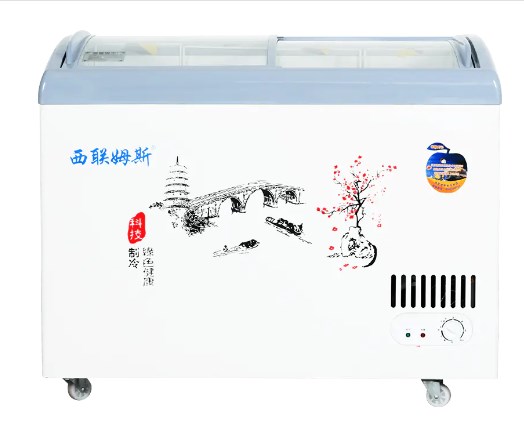
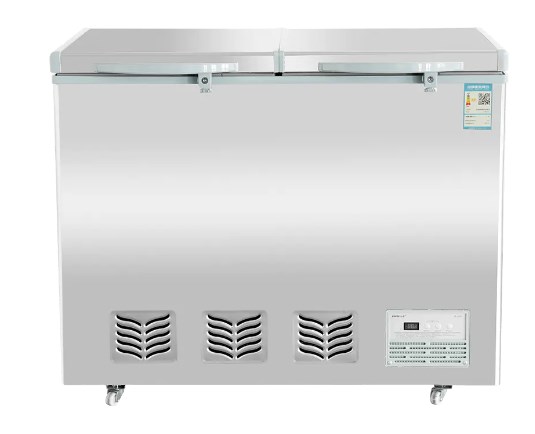
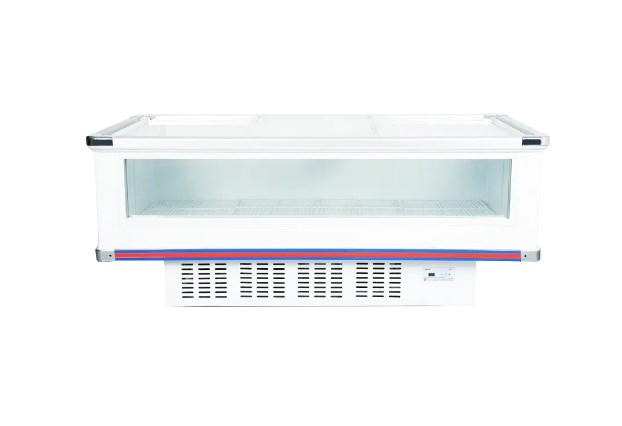
The most obvious distinction lies in how users access the contents. Chest freezers feature a top-opening lid that hinges upwards. This design leverages gravity to assist in keeping cold air inside, as cold air naturally sinks. When the lid is opened, very little cold air escapes compared to vertical units. Display freezers, however, often feature glass sliding doors (vertical or horizontal) or open tops with glass covers. This design is intended for visibility and ease of access in retail settings, though it often compromises thermal efficiency slightly compared to the sealed, insulated top of a chest freezer.
Insulation and Visibility
Chest freezers prioritize insulation. The walls are typically thick, and there is no glass, which is a poor insulator compared to metal or foam. This results in superior temperature retention. Display freezers incorporate large glass panels to allow customers to see the products inside without opening the door. While modern glass technologies have improved insulation, glass units generally require more energy to maintain the same internal temperature as opaque metal units, particularly in high-traffic environments where doors are frequently opened.
Storage Efficiency and Organization
How you organize your frozen goods is a significant factor in daily operations. The physical layout of these freezers dictates how inventory is managed.
Maximizing Volume with Chest Freezers
Chest freezers are known for their raw storage capacity. Because they do not require internal shelving structures or door mechanisms, almost every cubic inch of the interior is usable space. This makes them ideal for bulky, odd-shaped items like large cuts of meat, whole turkeys, or stacked boxes of pre-packaged goods. However, this "dumping" style of storage can lead to disorganization. Items can get buried at the bottom, making retrieval difficult. To mitigate this, users often employ wire baskets, but these utilize some of the available volume.
Structured Layouts of Display Freezers
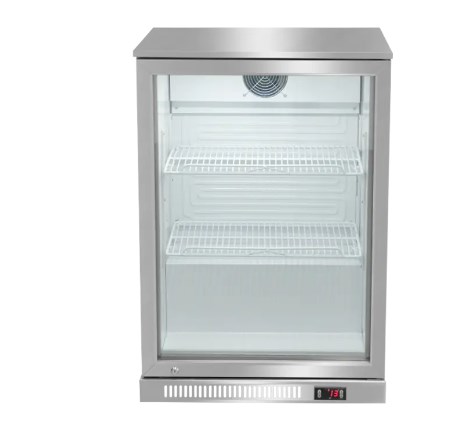
Display freezers are designed with organization in mind. They typically feature adjustable wire shelves or baskets that allow products to be neatly arranged in rows. This vertical storage system makes it easy to separate different product types and perform stock rotation (FIFO - First In, First Out). In a commercial context, this organization is vital for inventory management, allowing staff to quickly identify low stock levels without rummaging through piles of frozen goods.
Energy Consumption and Operational Costs
Energy efficiency is a critical consideration, particularly for businesses operating on thin margins or households looking to reduce utility bills. The design differences play a major role in power consumption.
The Thermal Efficiency of Chest Freezers
Due to their top-opening design and superior insulation, chest freezers are exceptionally efficient. When the lid is lifted, the heavy cold air remains trapped at the bottom of the unit. Even if the door is left open for a minute, the temperature fluctuation is minimal. This means the compressor does not need to work as hard to bring the temperature back down after access. Chest freezers can consume significantly less electricity annually compared to upright display models of similar capacity.
Heat Exchange and Display Units
Display freezers, especially those with glass doors, face higher thermal loads. Every time a vertical door is opened, cold air "spills" out, replaced by warmer room air that must be cooled. Additionally, glass does not insulate as well as solid walls, leading to ambient heat transfer. While many modern display freezers feature LED lighting (which produces little heat) and double-paned glass, they generally incur higher long-term operational costs than their chest counterparts.
Commercial Application and Sales Impact
For business owners, the choice of freezer is not just about storage; it is a marketing decision. The visibility of products can directly influence purchasing behavior.
The Power of Product Visibility
In a retail environment, products that cannot be seen are products that do not sell. Display freezers act as point-of-sale marketing tools. Whether it is ice cream, frozen pizzas, or pre-packaged meals, allowing the customer to see the packaging and quantity encourages impulse buys. A well-lit display freezer can highlight branding colors and packaging quality, enticing customers who may not have initially planned to buy that item.
Back-of-House vs. Front-of-House
Successful food service operations often utilize a combination of both. Chest freezers are relegated to the back-of-house areas, serving as bulk storage reservoirs. Staff replenish the display freezers at the front of the house from the chest freezers as needed. This strategy balances the low running costs of chest freezers with the sales-generating capability of display units. Using a chest freezer for storage and a display freezer for sales optimizes both cost efficiency and revenue.
Maintenance and Defrosting Cycles
The upkeep of these appliances varies significantly, affecting the amount of labor required to maintain them.
Manual Defrosting in Chest Freezers
Most chest freezers are manual defrost. Because the compressor is usually located inside the wall cavity or exposed at the bottom, and because the units are sealed tightly, ice buildup can occur over time. This ice reduces efficiency and storage space. Users must turn the unit off, remove all food, and let the ice melt periodically. While this requires manual labor, manual defrost freezers generally maintain more consistent humidity levels, which is better for preventing freezer burn on food stored for long periods.
Auto-Defrost Capabilities in Display Units
Many modern display freezers, particularly commercial upright models, come equipped with auto-defrost or frost-free capabilities. These units use a heating coil to periodically melt frost, preventing ice buildup. While this adds convenience and reduces maintenance downtime, it can cause slight temperature fluctuations. For a business that needs constant access to stock without shutting down a unit for defrosting, this feature is often worth the extra energy cost.
Comparative Analysis of Features
To summarize the key points discussed, the following table highlights the strengths and weaknesses of each freezer type relative to common requirements.
| Feature | Chest Freezer | Display Freezer |
|---|---|---|
| Energy Efficiency | High (Retains cold air better) | Moderate to Low |
| Product Visibility | None (Opaque) | High (Glass panels) |
| Storage Organization | Difficult (Stacking required) | Easy (Shelving systems) |
| Initial Cost | Generally Lower | Generally Higher |
| Defrost Method | Typically Manual | Often Auto-Defrost |
| Best Use Case | Long-term bulk storage | Retail sales & Quick access |
Long-Term Value and Decision Making
Ultimately, the decision should not be based solely on the upfront price tag. A chest freezer may be cheaper to buy and run, but if it hides your products and prevents customers from buying them, it becomes a liability for a business. Conversely, a display freezer may look professional and boost sales, but using it to store backup stock for months on end will result in unnecessarily high electricity bills.
Assessing Your Footprint
Physical space is another determining factor. Chest freezers require a clear radius for the lid to open upwards, which can be a constraint in narrow aisles. They also require users to bend down to reach items. Display freezers have a smaller footprint in terms of "swing" space but may protrude further into the aisle if the door opens outward. Sliding glass doors are a solution for tight spaces but can have higher seal wear over time.
Final Recommendation
For homeowners or bulk storage managers, the chest freezer remains the most efficient and economical workhorse. For retailers, grocers, and convenience stores, the display freezer is an essential business tool that drives revenue. Carefully evaluating the ratio of storage needs to sales needs will lead to the most effective acquisition.
Related News

Looking for Reliable Partner?
We are committed to becoming your most trusted partner.
Contact info.
 +86-153 0659 4509
 +86-(0)573-8796 5558
 zjxingbao@gmail.com
 No. 10 Baisha Road, Lianhang Development Zone, Chang'an Town, Haining City, Zhejiang China 314423
Mobile QR Code
Copyright © Zhejiang Xingbao Electrical Appliance Co., Ltd. All Rights Reserved. Custom Commercial Refrigerator Factory
