

 en
en  English
 中文简体
中文简体 Español
 عربى
عربىWhat are the common problems with commercial refrigeration equipment?
 2026.06.22
 Industry News
Choosing the right commercial refrigeration equipment is fundamentally about balancing spatial constraints, operational volume, and energy efficiency. The most direct conclusion is that investing in appropriately sized, high-efficiency units and committing to a strict preventive maintenance schedule can significantly reduce long-term operating costs and double the equipment's lifespan. Before acquiring any cooling apparatus, a business must meticulously evaluate its daily inventory throughput, kitchen or storage layout, and local ambient temperatures. Over-sizing leads to excessive energy consumption and frequent cycling, while under-sizing causes constant compressor strain, leading to premature failure and compromised food safety.
In a practical environment, such as a bustling food service operation, the integration of commercial refrigeration is not merely about keeping items cold; it is about workflow optimization. Placing reach-in coolers near preparation stations and walk-in freezers in less trafficked areas ensures that staff can access ingredients efficiently without letting excessive ambient air into the cooling compartments. By focusing on the practical application of these systems rather than just the specifications, operators can build a robust and reliable cold chain.
Understanding the Main Types of Cooling Systems
Commercial refrigeration encompasses a variety of equipment types, each designed to serve a specific function within a food service or retail environment. Selecting the correct type ensures optimal preservation of goods and smooth operational flow.
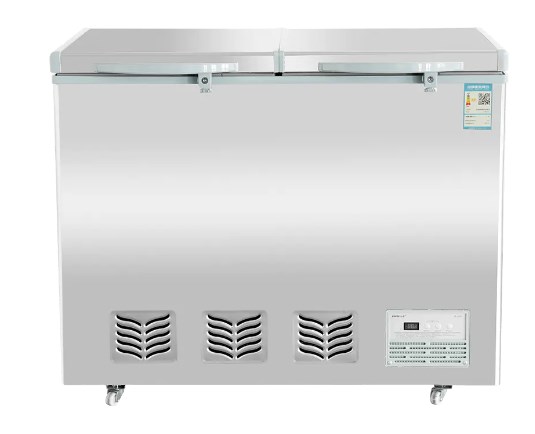
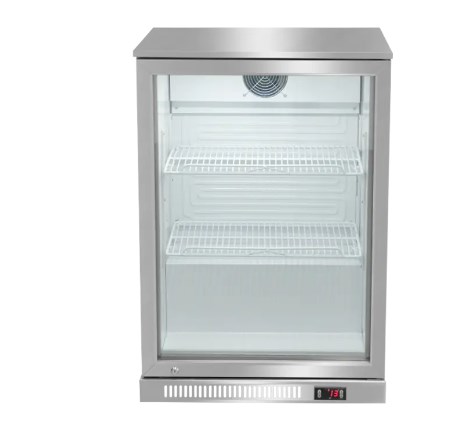
Reach-In Coolers and Freezers
These are the workhorses of most commercial kitchens. Reach-in units provide easy access to frequently used ingredients. They typically feature heavy-duty doors, internal lighting, and adjustable shelving. The key consideration here is the door configuration—solid doors offer better insulation, while glass doors allow staff to locate items quickly without opening the door, thus maintaining internal temperatures more effectively during peak hours.
Walk-In Coolers and Freezers
For bulk storage, walk-in units are indispensable. They are custom-sized to fit the available space and can store large quantities of perishable goods. The structural integrity of the walk-in's insulation panels is the most critical factor in maintaining thermal efficiency. These units require adequate clearance for the compressor system to dissipate heat, which is vital for preventing mechanical overheating.
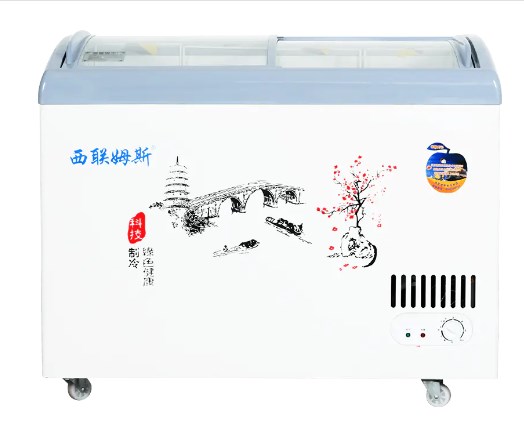
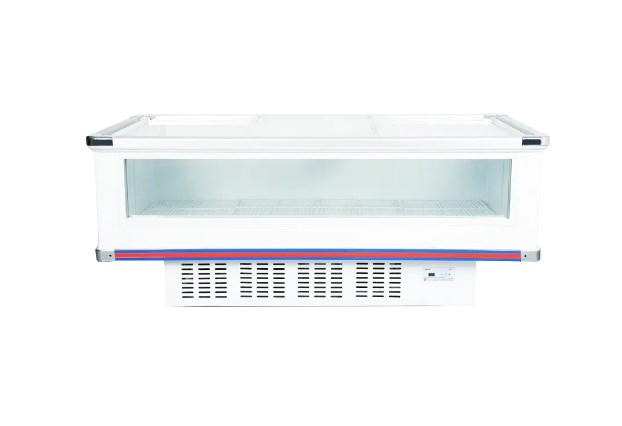
Display and Merchandising Refrigerators
Retail environments rely heavily on display cases that showcase products while keeping them at safe temperatures. These units prioritize visibility and airflow to ensure even cooling across all displayed items. They often feature forced-air systems to overcome the frequent opening of doors by customers.
Condenser Technologies and Their Practical Implications
The compressor and condenser are the heart of any refrigeration system. Understanding the difference between the primary condenser types is crucial for making an informed decision that suits your facility's physical limitations.
- Air-Cooled Systems: These systems use ambient air to remove heat from the condenser coils. They are generally easier and less expensive to install because they do not require plumbing. However, they must be placed in well-ventilated areas. If the ambient temperature rises significantly, the system must work harder, increasing energy consumption.
- Water-Cooled Systems: These use a continuous flow of water to cool the refrigerant. They are highly efficient in hot environments and operate more quietly than air-cooled counterparts. The main drawback is their reliance on a substantial water supply, which can lead to high water utility costs and may not be permitted in areas with strict water usage regulations.
Most standard commercial kitchens benefit from remote condensing units, where the noisy, heat-generating compressor is located outside the building. This configuration removes excess heat from the kitchen, reducing the load on the facility's air conditioning system and creating a more comfortable working environment.
Energy Efficiency and Environmental Considerations
Commercial refrigeration runs continuously, making it one of the largest consumers of electricity in a food service or retail establishment. Optimizing energy use is not only an environmental responsibility but a significant financial strategy.
The Role of Modern Refrigerants
The industry is actively transitioning away from older, high-global-warming-potential refrigerants. Modern systems increasingly use hydrofluoroolefin (HFO) blends or natural refrigerants such as carbon dioxide. Upgrading to systems utilizing these modern refrigerants can reduce the environmental impact substantially while often improving cooling efficiency. When evaluating new equipment, it is essential to consider the long-term availability and regulatory status of the refrigerant it uses.
Insulation and Door Mechanisms
Thermal leakage is the primary enemy of refrigeration efficiency. High-density polyurethane insulation in modern units provides superior thermal resistance. Additionally, the implementation of automatic door closers and strip curtains on walk-in coolers prevents cold air from escaping during frequent access. Even a door left slightly ajar for a few minutes can cause the compressor to run continuously for an extended period to recover the lost temperature.
Comprehensive Maintenance Strategies
Preventive maintenance is the single most effective way to ensure the longevity and efficiency of commercial refrigeration equipment. Neglecting basic upkeep leads to ice buildup, poor cooling performance, and catastrophic compressor failure.
Routine Cleaning Procedures
The condenser coils should be cleaned regularly to remove dust, grease, and debris. When coils are insulated by dirt, the system cannot effectively release heat, forcing the compressor to operate at higher pressures. This not only increases energy draw but also accelerates wear and tear. Similarly, evaporator coils must be kept free of ice; automatic defrost cycles should be monitored to ensure they are functioning correctly.
Gasket and Seal Inspections
Door gaskets form the vital seal between the cold interior and the warm exterior. Over time, these rubber seals can crack, tear, or lose their elasticity. A simple test involves closing a piece of paper in the door; if it slides out easily, the seal is compromised. Replacing damaged gaskets is a low-cost maintenance task that yields immediate returns in energy savings.
Temperature Control Guidelines for Various Products
Different products require specific temperature zones to maintain safety and quality. Understanding these requirements helps in setting equipment parameters accurately. Below is a general guideline for common food categories.
| Product Category | Recommended Storage Temperature | Equipment Type Typically Used |
|---|---|---|
| Fresh Meat and Poultry | Very Cold (Just Above Freezing) | Dedicated Reach-In Cooler |
| Dairy and Deli Items | Consistently Cold | Walk-In Cooler / Display Case |
| Frozen Goods | Deep Freeze | Walk-In Freezer / Reach-In Freezer |
| Fresh Produce | Moderately Cool with Humidity | Walk-In Cooler with Humidity Control |
Consistently monitoring these temperatures using calibrated internal thermometers is mandatory. Relying solely on the external digital display can be misleading, as it only reflects the air temperature at the sensor's location, not the actual product temperature.
Troubleshooting Common Operational Issues
Even with meticulous maintenance, commercial refrigeration equipment can experience operational hiccups. Recognizing the early signs of trouble can prevent full system breakdowns and inventory loss.
Fluctuating Temperatures
If temperatures swing wildly, the issue often lies with the thermostat sensor or the defrost timer. A malfunctioning defrost cycle will allow ice to accumulate on the evaporator coil, insulating it and blocking airflow. When this happens, the compressor runs continuously but the internal temperature actually rises because the cold air cannot circulate.
Unusual Noises and Vibrations
A properly functioning compressor emits a steady, low hum. Clicking, buzzing, or rattling sounds indicate mechanical distress. Buzzing may suggest a failing capacitor or a hard-starting compressor, while rattling often points to loose mounting hardware or a fan blade striking its housing. Addressing unusual noises immediately is critical, as these are almost always precursors to complete component failure.
Excessive Condensation
Finding pooling water inside or outside the unit usually means the condensate drain line is blocked. Dust and debris can clog the drain pan, causing water to back up and freeze, or spill onto the floor. Regularly flushing the drain line with warm water and a mild sanitizer keeps it clear and functioning properly.
Strategic Layout and Airflow Management
The physical placement of commercial refrigeration equipment directly impacts its performance. Every unit requires adequate breathing room to dissipate the heat extracted from the interior. Pushing a reach-in cooler tightly against a wall or stacking items on top of it restricts the airflow over the condenser coils. This trapped heat forces the compressor to work overtime, drastically reducing its operational lifespan.
Furthermore, equipment should never be placed directly next to cooking appliances like ovens or deep fryers. The radiant heat from cooking equipment will constantly battle the cooling system, creating an unnecessary thermal load. If proximity is unavoidable due to space constraints, installing physical barriers or ensuring robust local exhaust ventilation is essential to protect the refrigeration equipment.
Related News

Looking for Reliable Partner?
We are committed to becoming your most trusted partner.
Contact info.
 +86-153 0659 4509
 +86-(0)573-8796 5558
 zjxingbao@gmail.com
 No. 10 Baisha Road, Lianhang Development Zone, Chang'an Town, Haining City, Zhejiang China 314423
Mobile QR Code
Copyright © Zhejiang Xingbao Electrical Appliance Co., Ltd. All Rights Reserved. Custom Commercial Refrigerator Factory
